The Impact of Social Media on the Sports Industry
Social media has revolutionized the sports industry, transforming the way fans engage with their favorite teams and athletes, and creating new opportunities for monetization and brand building. From real-time updates and behind-the-scenes access to live streaming and fan interactions, social media has become an integral part of the sports experience. In this blog post, we will delve into the various ways social media has impacted the sports industry, its benefits, challenges, and future implications.
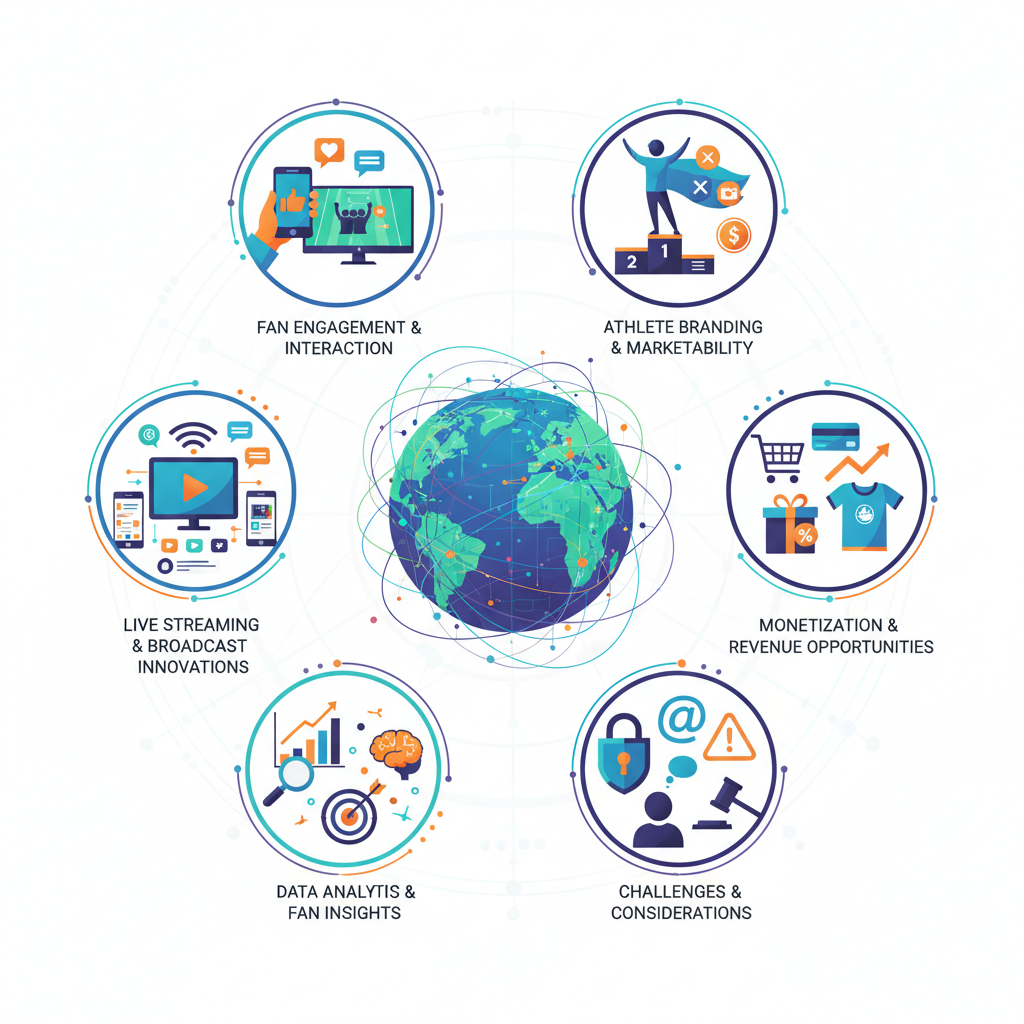
Outline
- Introduction
- Fan Engagement and Interaction 2.1. Real-Time Updates and Highlights 2.2. Behind-the-Scenes Access and Exclusive Content 2.3. Fan Communities and Discussions 2.4. Fan-Athlete Interactions
- Athlete Branding and Marketability 3.1. Building Personal Brands 3.2. Endorsements and Sponsorships 3.3. Athlete-Driven Content Creation 3.4. Influencer Marketing in Sports
- Live Streaming and Broadcast Innovations 4.1. Social Media Live Streaming 4.2. Second-Screen Experiences 4.3. Interactive Features and Fan Participation 4.4. Expanding Reach and Accessibility
- Monetization and Revenue Opportunities 5.1. Sponsored Content and Partnerships 5.2. Social Media Advertising 5.3. E-Commerce and Merchandise Sales 5.4. Subscription-Based Content and Services
- Data Analytics and Fan Insights 6.1. Understanding Fan Behavior and Preferences 6.2. Targeted Marketing and Personalization 6.3. Measuring Engagement and ROI 6.4. Predictive Analytics and Fan Retention Strategies
- Challenges and Considerations 7.1. Content Moderation and Brand Safety 7.2. Athlete Conduct and Reputation Management 7.3. Intellectual Property Rights and Content Ownership 7.4. Balancing Authenticity and Professionalism
- Case Studies and Success Stories
- The Future of Social Media in Sports
- Conclusion
Introduction
The rise of social media has had a profound impact on the sports industry, changing the way fans consume sports content, interact with their favorite teams and athletes, and experience live events. Social media platforms have become essential tools for sports organizations, athletes, and fans alike, offering unprecedented opportunities for engagement, branding, and monetization.
In this blog post, we will explore the various aspects of social media's influence on the sports industry. From fan engagement and athlete branding to live streaming and revenue generation, we will examine how social media has transformed the sports landscape and discuss the benefits, challenges, and future implications of this digital revolution.
Fan Engagement and Interaction
One of the most significant ways social media has impacted the sports industry is by enhancing fan engagement and interaction. Social media platforms have become the go-to destination for fans to connect with their favorite teams, athletes, and fellow supporters.
2.1. Real-Time Updates and Highlights
Social media allows fans to stay updated with real-time scores, highlights, and breaking news about their favorite sports and teams. Platforms like Twitter have become the primary source for instant updates, with fans eagerly following live tweets, GIFs, and video clips shared by teams, journalists, and fellow fans.
2.2. Behind-the-Scenes Access and Exclusive Content
Social media has opened up a new world of behind-the-scenes access and exclusive content for sports fans. Teams and athletes use platforms like Instagram and Snapchat to share locker room moments, training sessions, and personal insights, giving fans a glimpse into the lives of their favorite sports personalities.
2.3. Fan Communities and Discussions
Social media has facilitated the growth of vibrant fan communities where supporters can connect, discuss, and debate all things sports. Platforms like Facebook Groups, Reddit, and team-specific forums have become virtual gathering places for fans to share their passion, exchange opinions, and build camaraderie.
2.4. Fan-Athlete Interactions
Social media has broken down barriers between fans and athletes, enabling direct interactions and conversations. Athletes use platforms like Twitter and Instagram to engage with fans, respond to questions, and share personal moments. This level of accessibility has strengthened the bond between fans and their sporting heroes.
Athlete Branding and Marketability
Social media has also had a significant impact on athlete branding and marketability. Athletes now have the power to build and control their personal brands, reaching a global audience and attracting lucrative endorsement deals.
3.1. Building Personal Brands
Athletes use social media to showcase their personality, lifestyle, and values, creating a unique brand identity that resonates with fans. By consistently sharing engaging content and interacting with followers, athletes can cultivate a loyal fan base and establish themselves as influential figures beyond their on-field performances.
3.2. Endorsements and Sponsorships
Social media has become a key factor in securing endorsements and sponsorships for athletes. Brands are increasingly looking to partner with athletes who have a strong social media presence and can effectively promote their products to a targeted audience. Athletes with a large and engaged following can command higher endorsement fees and attract a wider range of sponsorship opportunities.
3.3. Athlete-Driven Content Creation
Social media has empowered athletes to become content creators, sharing their own stories, insights, and experiences directly with fans. Through platforms like YouTube, Instagram, and TikTok, athletes can produce original content, such as vlogs, tutorials, and behind-the-scenes footage, giving fans a more authentic and personal connection to their favorite sports stars.
3.4. Influencer Marketing in Sports
The rise of social media has given birth to a new breed of sports influencers. These influencers, who may not necessarily be professional athletes, have built a large following by creating engaging sports-related content. Brands are increasingly collaborating with sports influencers to reach niche audiences and promote their products in a more authentic and relatable way.
Live Streaming and Broadcast Innovations
Social media has also revolutionized the way sports events are broadcast and consumed. Live streaming and interactive features have transformed the viewing experience, offering fans new ways to engage with live sports content.
4.1. Social Media Live Streaming
Platforms like Facebook, Twitter, and YouTube have introduced live streaming capabilities, allowing sports organizations to broadcast events directly to fans on social media. This has expanded the reach of sports content, making it accessible to a wider audience, including those who may not have access to traditional television broadcasts.
4.2. Second-Screen Experiences
Social media has given rise to the concept of second-screen experiences, where fans use their mobile devices to engage with live sports events while watching on television. Fans can participate in real-time discussions, polls, and quizzes, and access supplementary content, enhancing their overall viewing experience.
4.3. Interactive Features and Fan Participation
Social media platforms have introduced interactive features that allow fans to actively participate in live sports broadcasts. For example, fans can vote on player of the match, predict game outcomes, and even influence in-game decisions through social media polls and hashtags. This level of fan involvement has created a more immersive and engaging broadcast experience.
4.4. Expanding Reach and Accessibility
Live streaming on social media has made sports content more accessible to fans around the world. Fans in regions where traditional television broadcasts may not be available can now watch their favorite teams and events through social media platforms. This has expanded the global reach of sports and opened up new markets for sports organizations.
Monetization and Revenue Opportunities
Social media has created new monetization and revenue opportunities for sports organizations, athletes, and brands. From sponsored content to e-commerce, social media has become a valuable tool for generating income in the sports industry.
5.1. Sponsored Content and Partnerships
Sports organizations and athletes can leverage their social media presence to secure sponsored content deals and partnerships with brands. By creating branded content and promoting products to their engaged followers, sports entities can generate significant revenue through social media.
5.2. Social Media Advertising
Sports organizations and brands can utilize social media advertising to reach targeted audiences and promote their products or services. Platforms like Facebook and Instagram offer sophisticated targeting options, allowing advertisers to reach fans based on their interests, behaviors, and demographics.
5.3. E-Commerce and Merchandise Sales
Social media has become a powerful tool for driving e-commerce and merchandise sales in the sports industry. Teams and athletes can promote and sell their branded merchandise directly to fans through social media platforms, leveraging the impulse-buying nature of social media and the emotional connection fans have with their favorite sports entities.
5.4. Subscription-Based Content and Services
Social media has also enabled the growth of subscription-based content and services in the sports industry. Sports organizations can offer exclusive content, live streams, and behind-the-scenes access to fans through subscription models on platforms like Patreon or their own dedicated apps.
Data Analytics and Fan Insights
Social media has provided sports organizations with a wealth of data and insights into fan behavior, preferences, and engagement. By leveraging social media analytics, sports entities can make data-driven decisions to enhance fan experiences and drive business growth.
6.1. Understanding Fan Behavior and Preferences
Social media analytics tools allow sports organizations to track fan engagement, sentiment, and conversations around their brand. By analyzing fan behavior and preferences, teams can tailor their content and marketing strategies to better resonate with their target audience.
6.2. Targeted Marketing and Personalization
Social media data enables sports organizations to create targeted marketing campaigns and personalized fan experiences. By segmenting fans based on their interests, behaviors, and demographics, teams can deliver more relevant and engaging content, increasing fan loyalty and driving revenue.
6.3. Measuring Engagement and ROI
Social media analytics provide valuable insights into the performance and ROI of social media campaigns. Sports organizations can track metrics such as reach, engagement, click-through rates, and conversions to measure the effectiveness of their social media efforts and optimize their strategies accordingly.
6.4. Predictive Analytics and Fan Retention Strategies
Advanced social media analytics can also help sports organizations predict fan behavior and develop fan retention strategies. By identifying patterns and trends in fan engagement and sentiment, teams can proactively address potential issues, improve fan experiences, and reduce churn.
Challenges and Considerations
While social media has brought numerous benefits to the sports industry, it also presents challenges and considerations that need to be addressed.
7.1. Content Moderation and Brand Safety
With the open nature of social media, sports organizations must be vigilant in moderating user-generated content and ensuring brand safety. Inappropriate or offensive comments, posts, or behavior by fans or athletes can harm the reputation of sports entities and their sponsors.
7.2. Athlete Conduct and Reputation Management
Social media has also increased the scrutiny on athlete conduct and behavior. Athletes must be mindful of their social media presence and the potential impact of their posts on their personal brand and the reputation of their team or sport. Sports organizations need to have clear social media policies and provide training to athletes on responsible social media use.
7.3. Intellectual Property Rights and Content Ownership
The proliferation of user-generated content on social media has raised concerns over intellectual property rights and content ownership in the sports industry. Sports organizations must navigate the complex landscape of copyright laws and ensure they have the necessary permissions and licenses to use fan-generated content in their marketing and promotional activities.
7.4. Balancing Authenticity and Professionalism
Social media has blurred the lines between personal and professional lives for athletes and sports personalities. Finding the right balance between authenticity and professionalism on social media can be challenging. Sports organizations must guide their athletes and employees on maintaining a positive and consistent brand image while still allowing for genuine fan interactions.
Case Studies and Success Stories
To illustrate the impact of social media on the sports industry, let's look at a few case studies and success stories:
-
NBA on TikTok: The NBA has successfully leveraged TikTok to engage with younger fans and create viral content. By sharing highlights, behind-the-scenes moments, and player-driven challenges, the NBA has built a massive following on the platform, with over 14 million followers and billions of views.
-
Manchester United's Fan Engagement: Manchester United, one of the world's most popular football clubs, has used social media to connect with its global fan base. Through platforms like Facebook, Twitter, and Instagram, the club shares exclusive content, runs fan contests, and facilitates player-fan interactions, fostering a strong sense of community among its supporters.
-
Red Bull's Extreme Sports Content: Red Bull has made social media a central part of its marketing strategy, using platforms like YouTube and Instagram to showcase its extreme sports events and athletes. By creating high-quality, adrenaline-fueled content, Red Bull has built a loyal following and established itself as a leading brand in the action sports industry.
The Future of Social Media in Sports
As social media continues to evolve, its impact on the sports industry is set to grow even further. Here are some trends and predictions for the future of social media in sports:
-
Increased Adoption of Augmented Reality (AR) and Virtual Reality (VR): AR and VR technologies will be integrated into social media platforms, offering fans immersive and interactive experiences, such as virtual stadium tours, player meet-and-greets, and gamified content.
-
Growth of Esports and Gaming: Social media will play a crucial role in the continued growth of esports and gaming, with platforms like Twitch and YouTube Gaming becoming central hubs for live streaming, fan engagement, and monetization.
-
Personalized and AI-Driven Fan Experiences: Social media platforms will leverage artificial intelligence and machine learning to deliver highly personalized fan experiences, including customized content feeds, real-time recommendations, and predictive fan engagement.
-
Emphasis on Social Responsibility and Activism: Athletes and sports organizations will increasingly use social media to advocate for social causes, promote diversity and inclusion, and drive positive change in their communities.
-
Integration with Blockchain and Cryptocurrency: Social media platforms may integrate blockchain technology and cryptocurrencies, enabling secure and transparent transactions for ticket sales, merchandise purchases, and fan rewards programs.
Conclusion
Social media has had a profound impact on the sports industry, transforming the way fans engage with sports, athletes build their brands, and sports organizations monetize their content. From enhanced fan experiences and live streaming innovations to data-driven insights and new revenue streams, social media has opened up a world of opportunities for the sports industry.
However, the integration of social media in sports also presents challenges, such as content moderation, athlete reputation management, and intellectual property rights. Sports organizations must navigate these challenges while staying authentic, engaging, and relevant to their fans.
As social media continues to evolve, its impact on the sports industry will only grow stronger. By embracing new technologies, platforms, and trends, sports organizations can stay ahead of the curve and create even more immersive, personalized, and engaging experiences for their fans.
The future of sports is intertwined with social media, and those who effectively leverage its power will be the winners in this digital age. By understanding the impact of social media on the sports industry and adapting their strategies accordingly, sports organizations can build stronger connections with fans, drive business growth, and shape the future of sports entertainment.
Related Posts
- The Role Of Social Media In Building Thought Leadership
- Comparing Ai Summarizers Which Tool Is Best For Linkedin Posts
- Ai Text Generator Byword