The Impact of Social Media on Mental Health: Understanding the Risks and Benefits
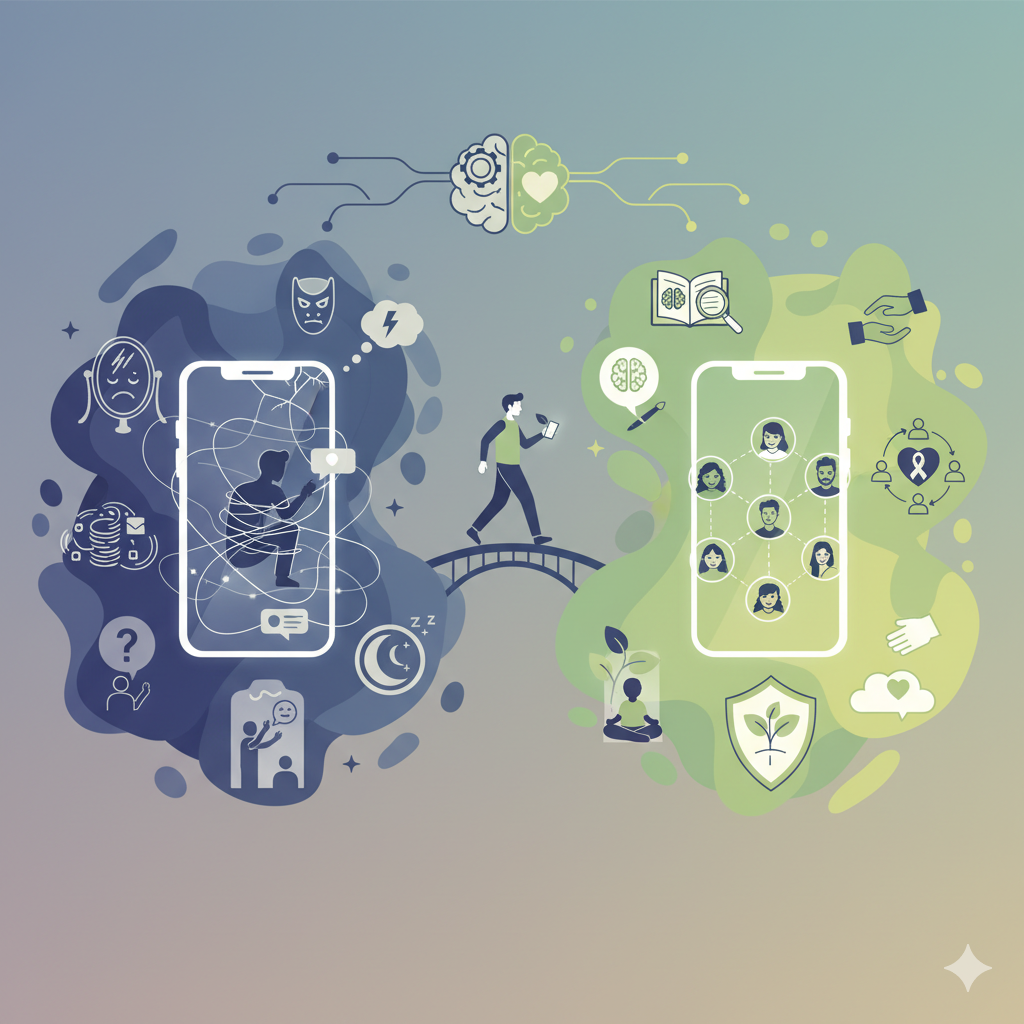
Social media has become an integral part of our daily lives, revolutionizing the way we connect, communicate, and consume information. While social media platforms offer numerous benefits, such as staying connected with loved ones and accessing a wealth of knowledge, they also have the potential to impact our mental health. In this comprehensive blog post, we will explore the complex relationship between social media and mental health, discussing the risks, benefits, and strategies for maintaining a healthy balance in the digital age.
Outline
- Introduction
- The Prevalence of Social Media Use
- The Potential Risks of Social Media on Mental Health 3.1. Addiction and Excessive Use 3.2. Comparison and Self-Esteem Issues 3.3. Cyberbullying and Online Harassment 3.4. Fear of Missing Out (FOMO) and Social Pressure 3.5. Sleep Disruption and Poor Sleep Quality 3.6. Information Overload and Distractions 3.7. Unrealistic Expectations and Perfectionism
- The Potential Benefits of Social Media on Mental Health 4.1. Social Connectivity and Support 4.2. Access to Mental Health Resources and Information 4.3. Self-Expression and Creativity 4.4. Opportunities for Learning and Personal Growth 4.5. Promoting Mental Health Awareness and Reducing Stigma
- Strategies for Maintaining a Healthy Relationship with Social Media
- The Role of Mental Health Professionals in the Digital Age
- Conclusion
Introduction
In the digital age, social media has become a ubiquitous presence in our lives. From staying connected with friends and family to consuming news and entertainment, social media platforms have transformed the way we interact and perceive the world. However, as the use of social media continues to grow, concerns about its impact on mental health have also risen. It is crucial to understand the potential risks and benefits of social media use and develop strategies for maintaining a healthy balance.
The Prevalence of Social Media Use
Before delving into the impact of social media on mental health, let's consider the prevalence of social media use. According to recent statistics, over 4.5 billion people worldwide are active social media users, spending an average of 2 hours and 27 minutes per day on these platforms. The widespread adoption of social media across all age groups highlights the importance of examining its effects on mental well-being.
The Potential Risks of Social Media on Mental Health
3.1. Addiction and Excessive Use
One of the primary concerns surrounding social media is its addictive nature. The constant stream of notifications, likes, and comments can create a sense of reward and validation, leading to compulsive checking and excessive use. Social media addiction can interfere with daily life, relationships, and productivity, exacerbating mental health issues such as anxiety and depression.
3.2. Comparison and Self-Esteem Issues
Social media often presents a curated version of people's lives, showcasing their best moments and achievements. Constant exposure to such idealized portrayals can lead to feelings of inadequacy, low self-esteem, and a distorted sense of reality. Comparing oneself to others on social media can foster a negative self-image and contribute to mental health problems.
3.3. Cyberbullying and Online Harassment
The anonymity and accessibility of social media platforms can also create a breeding ground for cyberbullying and online harassment. Individuals, particularly young people, may experience targeted attacks, humiliation, and exclusion, leading to severe mental health consequences such as depression, anxiety, and even suicidal thoughts.
3.4. Fear of Missing Out (FOMO) and Social Pressure
Social media can intensify the fear of missing out (FOMO), as users constantly see updates about events, experiences, and social gatherings. The pressure to keep up and participate can lead to feelings of anxiety, stress, and social comparison. FOMO can also contribute to a sense of disconnect and loneliness, as individuals may prioritize online interactions over real-life connections.
3.5. Sleep Disruption and Poor Sleep Quality
The constant availability and stimulation of social media can disrupt sleep patterns and contribute to poor sleep quality. Late-night scrolling, exposure to blue light from devices, and the urge to check notifications can interfere with the body's natural sleep-wake cycle, leading to insomnia, daytime fatigue, and mood disturbances.
3.6. Information Overload and Distractions
Social media platforms are designed to capture attention and keep users engaged, often through a constant stream of information and stimuli. This information overload can lead to distractions, decreased attention span, and difficulty focusing on important tasks. The constant multitasking and switching between online and offline activities can contribute to cognitive overload and mental exhaustion.
3.7. Unrealistic Expectations and Perfectionism
The highlight reel nature of social media can create unrealistic expectations and promote perfectionism. Users may feel pressure to present a flawless image, curate their online persona, and meet societal standards of beauty, success, and happiness. This pursuit of perfection can lead to self-criticism, anxiety, and a distorted sense of self-worth.
The Potential Benefits of Social Media on Mental Health
While the risks of social media on mental health are well-documented, it is essential to acknowledge the potential benefits as well.
4.1. Social Connectivity and Support
Social media can foster a sense of connection and belonging, particularly for individuals who may feel isolated or marginalized in their offline lives. Online communities and support groups can provide a safe space for sharing experiences, seeking advice, and receiving emotional support from others who understand their struggles.
4.2. Access to Mental Health Resources and Information
Social media platforms can serve as valuable sources of mental health information, resources, and support. Mental health professionals, organizations, and advocates often use social media to share educational content, coping strategies, and links to helpful services. This increased accessibility can empower individuals to seek help and take proactive steps towards improving their mental well-being.
4.3. Self-Expression and Creativity
Social media provides a platform for self-expression and creativity, allowing individuals to share their thoughts, emotions, and artistic endeavors. Engaging in creative activities and expressing oneself authentically can have therapeutic benefits, promoting self-awareness, emotional regulation, and a sense of accomplishment.
4.4. Opportunities for Learning and Personal Growth
Social media can offer opportunities for learning and personal growth through exposure to diverse perspectives, educational content, and inspiring stories. Engaging with individuals from different backgrounds and experiences can broaden one's worldview, foster empathy, and promote personal development.
4.5. Promoting Mental Health Awareness and Reducing Stigma
Social media has played a significant role in promoting mental health awareness and reducing the stigma surrounding mental health issues. Hashtag campaigns, personal testimonies, and open conversations on social media have helped to normalize discussions about mental health, encourage help-seeking behavior, and advocate for better support and resources.
Strategies for Maintaining a Healthy Relationship with Social Media
To mitigate the potential risks and harness the benefits of social media, it is crucial to develop strategies for maintaining a healthy relationship with these platforms:
- Set boundaries and limit screen time to avoid excessive use and addiction.
- Cultivate self-awareness and critically evaluate the impact of social media on your mental well-being.
- Practice digital detox periods and engage in offline activities that promote relaxation and self-care.
- Curate your social media feed to include positive, uplifting, and informative content.
- Engage in meaningful interactions and prioritize real-life connections over superficial online engagement.
- Seek professional help if you experience persistent negative impacts on your mental health.
The Role of Mental Health Professionals in the Digital Age
Mental health professionals play a crucial role in addressing the impact of social media on mental health. They can provide guidance, support, and evidence-based interventions to help individuals navigate the challenges and opportunities presented by social media. Mental health professionals can also advocate for responsible social media use, collaborate with technology companies to promote user well-being, and contribute to research on the long-term effects of social media on mental health.
Conclusion
The impact of social media on mental health is a complex and multifaceted issue. While social media platforms offer numerous benefits, such as social connectivity, access to resources, and self-expression, they also present potential risks, including addiction, comparison, cyberbullying, and sleep disruption.
To maintain a healthy relationship with social media, it is essential to develop self-awareness, set boundaries, and prioritize offline activities that promote well-being. Mental health professionals play a vital role in supporting individuals and advocating for responsible social media use in the digital age.
By understanding the risks and benefits of social media, implementing strategies for healthy use, and seeking support when needed, individuals can harness the power of these platforms while safeguarding their mental health. As we navigate the ever-evolving digital landscape, it is crucial to prioritize our mental well-being and foster a balanced and mindful approach to social media use.
Related Posts
- Revolutionizing Writing With Ai Text Generator Gpt The Future Of Online Content Creation
- Unleashing The Power Of Ai Text Description Generators For Enhanced Product Listings
- Unleashing The Power Of Ai Search With Chrome Extensions