Unfiltered AI Text Generator: Exploring the Risks and Rewards of Unrestricted Language Models
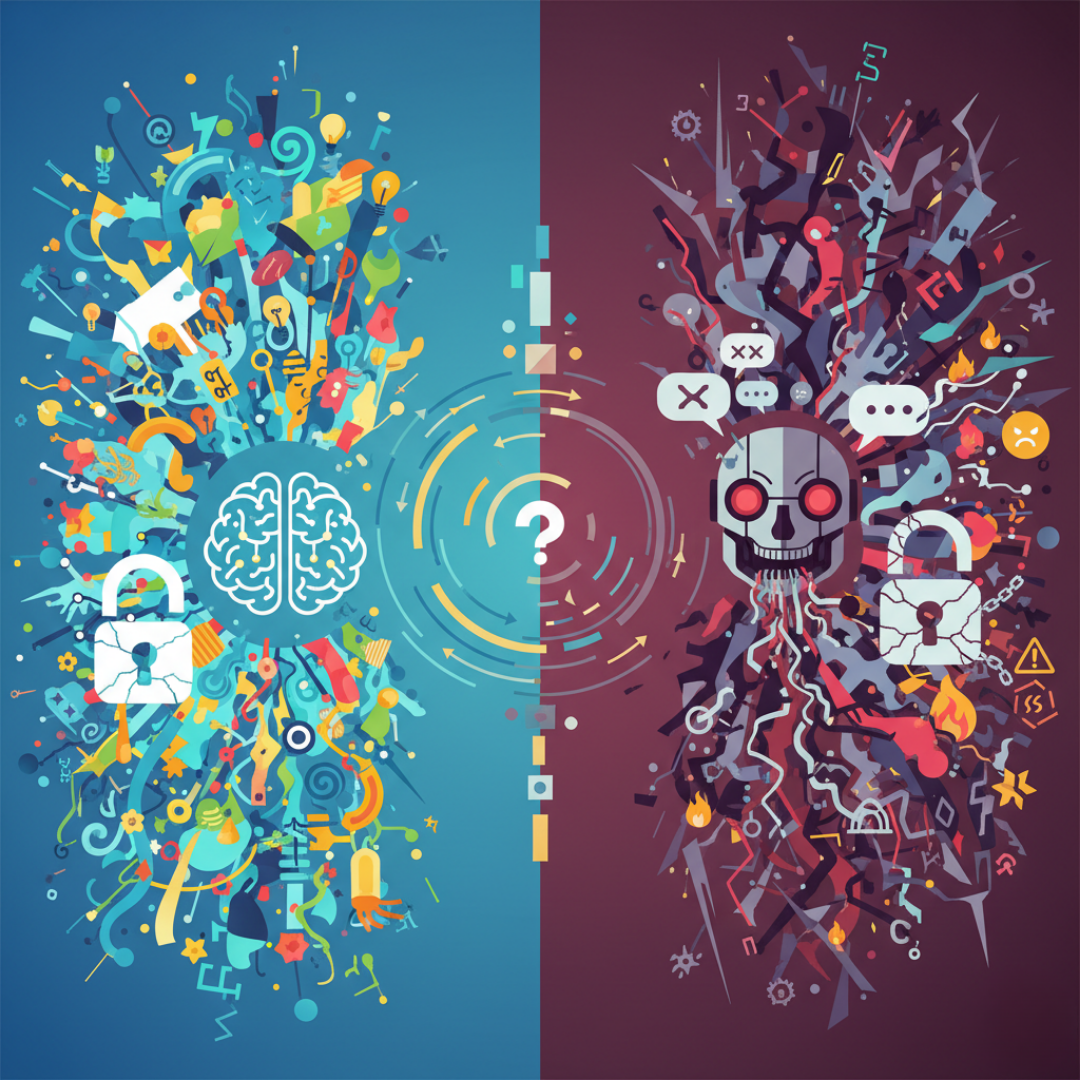
In the rapidly evolving landscape of artificial intelligence, AI text generators have emerged as powerful tools for content creation. While many AI text generators incorporate filters and restrictions to ensure the generated content is safe and appropriate, there is a growing interest in unfiltered AI text generators. These unrestricted language models have the potential to generate highly diverse and creative content, but they also come with significant risks and ethical concerns. In this blog post, we'll explore the world of unfiltered AI text generators, examining their potential benefits, drawbacks, and the implications for content creators and society as a whole.
Outline
- Introduction
- Understanding Unfiltered AI Text Generators 2.1. What are Unfiltered AI Text Generators? 2.2. How Do Unfiltered AI Text Generators Differ from Filtered Ones? 2.3. The Technology Behind Unfiltered AI Text Generators
- The Potential Rewards of Unfiltered AI Text Generators 3.1. Increased Diversity and Creativity in Generated Content 3.2. Exploring New Perspectives and Ideas 3.3. Pushing the Boundaries of Language and Storytelling 3.4. Potential Applications in Research and Artistic Expression
- The Risks and Ethical Concerns of Unfiltered AI Text Generators 4.1. Generation of Inappropriate, Offensive, or Harmful Content 4.2. Perpetuation of Biases and Stereotypes 4.3. Potential for Misuse and Disinformation 4.4. Ethical Considerations and Responsible AI Development
- Mitigating the Risks of Unfiltered AI Text Generators 5.1. Implementing Content Warnings and Disclaimers 5.2. Providing User Controls and Customization Options 5.3. Promoting Media Literacy and Critical Thinking 5.4. Encouraging Responsible Use and Oversight
- Real-World Examples and Case Studies 6.1. OpenAI's GPT-3 and the Debate Around Unfiltered Language Models 6.2. Creative Projects and Experiments with Unfiltered AI Text Generators 6.3. Controversies and Incidents Involving Unfiltered AI-Generated Content
- The Future of Unfiltered AI Text Generators 7.1. Advancements in AI Ethics and Responsible Development 7.2. Potential for Refined Control Mechanisms and Content Moderation 7.3. Balancing Creativity and Safety in AI Text Generation
- Conclusion
Introduction
As AI text generators become increasingly sophisticated, the question of whether to filter or restrict their output has become a topic of intense debate. Unfiltered AI text generators, which allow for unrestricted language generation, offer a glimpse into the vast potential of AI-powered content creation. However, this potential comes with significant risks and ethical concerns that must be carefully considered.
Understanding Unfiltered AI Text Generators
2.1. What are Unfiltered AI Text Generators?
Unfiltered AI text generators are language models that generate text without any content restrictions or filters. Unlike their filtered counterparts, which are designed to avoid generating inappropriate, offensive, or harmful content, unfiltered AI text generators have the freedom to generate text on any topic, in any style, and with any level of explicitness.
2.2. How Do Unfiltered AI Text Generators Differ from Filtered Ones?
The main difference between unfiltered and filtered AI text generators lies in the level of control and restriction applied to the generated content. Filtered AI text generators typically employ various techniques, such as keyword blocking, content moderation, and ethical guidelines, to ensure the generated text adheres to specific standards of appropriateness and safety. In contrast, unfiltered AI text generators do not have these limitations, allowing for a wider range of content generation possibilities.
2.3. The Technology Behind Unfiltered AI Text Generators
Unfiltered AI text generators are based on advanced language models, such as GPT (Generative Pre-trained Transformer) and its variants. These models are trained on vast amounts of text data from the internet, including books, articles, websites, and social media posts. By learning patterns and relationships within this data, the models can generate coherent and contextually relevant text based on a given prompt or context.
The Potential Rewards of Unfiltered AI Text Generators
3.1. Increased Diversity and Creativity in Generated Content
One of the primary rewards of unfiltered AI text generators is their ability to generate highly diverse and creative content. Without the constraints of content filters, these models can explore a wide range of topics, styles, and perspectives, leading to the generation of unique and thought-provoking text that may not be possible with filtered models.
3.2. Exploring New Perspectives and Ideas
Unfiltered AI text generators can help content creators and researchers explore new perspectives and ideas by generating text that challenges conventional thinking. By venturing into uncharted territories and generating content that may be considered unconventional or even controversial, these models can spark important discussions and encourage critical thinking.
3.3. Pushing the Boundaries of Language and Storytelling
Unfiltered AI text generators have the potential to push the boundaries of language and storytelling by generating text that defies traditional norms and expectations. This can lead to the creation of innovative and groundbreaking literary works, as well as the exploration of new genres and narrative structures.
3.4. Potential Applications in Research and Artistic Expression
Unfiltered AI text generators can be valuable tools for researchers studying language, culture, and societal dynamics. By analyzing the generated text, researchers can gain insights into patterns, biases, and trends that may not be immediately apparent. Additionally, artists and creative writers can use unfiltered AI text generators as a source of inspiration and experimentation, incorporating the generated text into their own works.
The Risks and Ethical Concerns of Unfiltered AI Text Generators
4.1. Generation of Inappropriate, Offensive, or Harmful Content
One of the most significant risks associated with unfiltered AI text generators is the potential for generating inappropriate, offensive, or harmful content. Without content filters in place, these models may produce text that contains explicit language, hate speech, violence, or other objectionable material. This can be particularly concerning when the generated text is shared or used without proper context or disclaimers.
4.2. Perpetuation of Biases and Stereotypes
Unfiltered AI text generators, like any AI system, can perpetuate and amplify biases and stereotypes present in the training data. If the training data contains instances of racial, gender, or other forms of bias, the generated text may reflect and reinforce these biases. This can lead to the spread of harmful stereotypes and contribute to societal inequalities.
4.3. Potential for Misuse and Disinformation
Unfiltered AI text generators can be misused to create and spread disinformation, propaganda, or fake news. The ability to generate realistic and convincing text on any topic can be exploited by malicious actors to manipulate public opinion, sow discord, or advance their own agendas. This potential for misuse raises significant concerns about the impact of unfiltered AI text generators on society and democracy.
4.4. Ethical Considerations and Responsible AI Development
The development and use of unfiltered AI text generators raise important ethical considerations. As AI technology becomes more powerful and autonomous, it is crucial to ensure that its development and deployment align with ethical principles and values. This includes considerations of transparency, accountability, fairness, and respect for human rights.
Mitigating the Risks of Unfiltered AI Text Generators
5.1. Implementing Content Warnings and Disclaimers
To mitigate the risks associated with unfiltered AI text generators, it is important to implement clear content warnings and disclaimers. Users should be informed about the nature of the generated content and the potential for inappropriate or offensive material. This can help set expectations and promote responsible use of the technology.
5.2. Providing User Controls and Customization Options
Offering user controls and customization options can empower individuals to tailor the generated content to their preferences and comfort levels. This may include options to filter out specific types of content, adjust the level of explicitness, or set parameters for the desired tone and style of the generated text.
5.3. Promoting Media Literacy and Critical Thinking
Promoting media literacy and critical thinking skills is crucial in the age of AI-generated content. Educating users about the capabilities and limitations of AI text generators, as well as the importance of fact-checking and verifying information, can help mitigate the risks of misinformation and manipulation.
5.4. Encouraging Responsible Use and Oversight
Encouraging responsible use and oversight of unfiltered AI text generators is essential to minimize potential harms. This may involve establishing guidelines and best practices for the use of these tools, as well as implementing mechanisms for reporting and addressing instances of misuse or abuse.
Real-World Examples and Case Studies
6.1. OpenAI's GPT-3 and the Debate Around Unfiltered Language Models
OpenAI's GPT-3, one of the most advanced language models to date, has sparked significant debate around the use of unfiltered AI text generators. While GPT-3 has demonstrated remarkable capabilities in generating coherent and contextually relevant text, concerns have been raised about its potential for misuse and the generation of harmful content.
6.2. Creative Projects and Experiments with Unfiltered AI Text Generators
Several creative projects and experiments have explored the potential of unfiltered AI text generators. For example, the "AI Dungeon" game uses GPT-3 to generate interactive stories based on user input, allowing for highly immersive and unpredictable narratives. Other projects have used unfiltered AI text generators to create poetry, scripts, and even entire novels.
6.3. Controversies and Incidents Involving Unfiltered AI-Generated Content
There have been instances where unfiltered AI text generators have generated controversial or problematic content. In one notable case, GPT-3 was found to generate text that perpetuated gender and racial stereotypes, leading to discussions about the need for more robust content moderation and bias mitigation in AI language models.
The Future of Unfiltered AI Text Generators
7.1. Advancements in AI Ethics and Responsible Development
As AI technology continues to advance, there is a growing emphasis on developing AI systems that align with ethical principles and values. Researchers and developers are working on techniques to mitigate biases, ensure transparency, and promote responsible AI development. These advancements will be crucial in shaping the future of unfiltered AI text generators.
7.2. Potential for Refined Control Mechanisms and Content Moderation
As the capabilities of unfiltered AI text generators expand, there may be opportunities for more refined control mechanisms and content moderation techniques. This could involve the development of advanced filters, real-time content analysis, or even the integration of human oversight to ensure the generated content meets specific standards and guidelines.
7.3. Balancing Creativity and Safety in AI Text Generation
The future of unfiltered AI text generators will likely involve finding a balance between fostering creativity and ensuring safety. This may require a combination of technological solutions, ethical guidelines, and societal discussions to navigate the complex landscape of AI-generated content.
Conclusion
Unfiltered AI text generators represent a fascinating and controversial aspect of AI technology. While they offer the potential for increased diversity, creativity, and innovation in content creation, they also come with significant risks and ethical concerns. As we explore the possibilities of unfiltered AI text generation, it is crucial to approach this technology with caution, responsibility, and a commitment to mitigating potential harms.
By implementing safeguards, promoting media literacy, and encouraging responsible use, we can harness the power of unfiltered AI text generators while minimizing their negative impacts. As AI continues to evolve, it is essential to engage in ongoing discussions and collaborations between researchers, developers, policymakers, and the public to shape the future of this technology in a way that benefits society as a whole.
Ultimately, the path forward for unfiltered AI text generators will require a delicate balance between unleashing their creative potential and ensuring the safety and well-being of individuals and communities. By approaching this technology with both excitement and caution, we can unlock new frontiers in content creation while navigating the complex ethical landscape of artificial intelligence.
Related Posts
- Ai Text Reply Generator Free
- Ai Text Document Generator Streamlining Content Creation And Workflow
- The Future Of Songwriting How Ai Text Generators Are Reshaping The Music Industry